Definition von timba im Wörterbuch Malaysisch
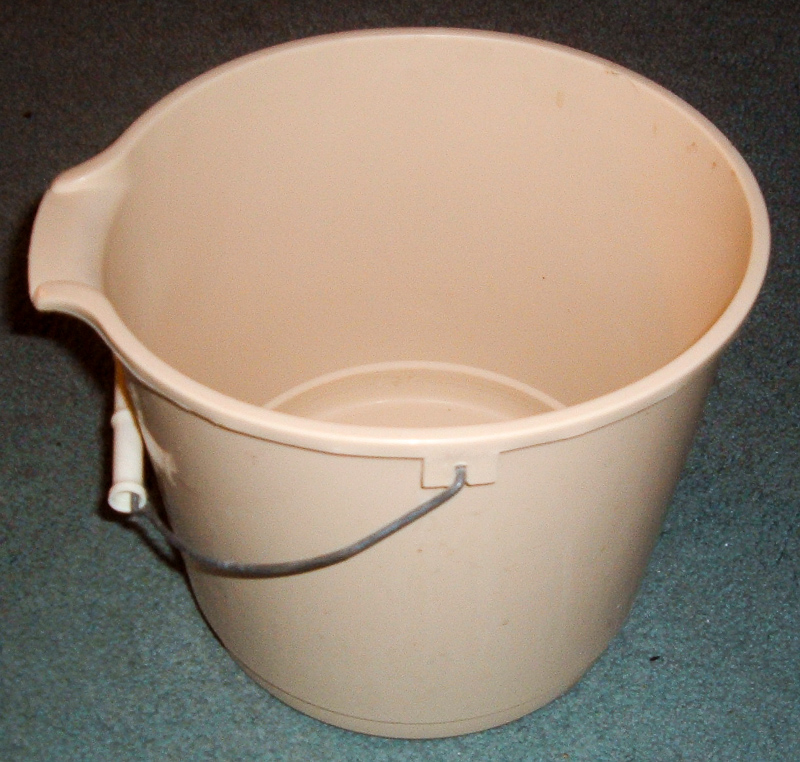
Ich benutzte einen Eimer, um in Brunnen usw. zu gießen; a) Eimer für kochendes Wasser in Booten; b) Raum (Paket) in der Mitte des Bootes; an den Brunnen, nicht einmal, einmal brach = nicht in den Brunnen, wenn nicht kaputt, Knirschen prb nicht wiederholen die schlechten Taten, langsam auch eine Katastrophe; mit einem Eimer, Wasser mit einem Eimer nehmen; ~ Korallenkämpfe (kämpfen), ungezogen (laut); ~ Geld Mn leben glücklich (Luxus); für etwas im Eimer verwendet: ein Bad ~ ein kleines Becken; 1. Wasser (drpd wells etc) durch Dollars ziehen: Gärten am Flussufer können mit Wasser aus dem Fluss bewässert werden; 2. Werfen (Trocknen) von Wasser in Booten usw.: Dann immer das Boot ducken, keine Stopps; 3. Nehmen, erwerben (Wissen usw.), Zurückziehen oder Entladen (Wissen, Information usw.) aus einer Quelle: Seine Rede ist sehr überzeugend, abgeleitet von seiner eigenen Erfahrung; Dies sind wichtige Quellen, die gezogen werden müssen; sie öffnen aktiv die Sanskrit-Wörterbücher und die nicht-malaiischen lokalen Sprachwörter; kann gezeichnet werden; nein kann nicht gezogen werden; (Beschreibung, Taten usw.) über: moderne Wissenschaft; Nomenklatur 1. Werkzeug zum Zeichnen; 2. Menschen, die zeichnen (Wasser, Wissenschaft usw.): Wissenschaft. Eimer II; ~ See a) Pflanze sj (Buschbaum), junge Windel, schimmerndes Auge, Garten (fettiger) See, Zelt (Enten) See, Clerodendron Serratum; b) Pflanzen (Kräuter), Reißzähne, Vorhängeschlösser, männliche Affen, Gräser, Adenosma caeruleum; c) Pflanzen (Kräuter), Graskatzen, Grasgras, Gratwälder, Seen, Adenosma capitatum. timba I sj bekas utk mencedok air di perigi dll; ~ ruang a) timba utk membuang air di perahu; b) ruang (petak) di tengah-tengah perahu; diperlelar ~ ke perigi, tak sekali, sekali pecah = jangan diperlelar~ ke perigi, kalau tak putus, genting prb jangan diulang-ulang perbuatan jahat, lambat-laun mendapat sesuatu bencana juga; bertimba menggunakan timba, sedang mengambil air dgn menggunakan timba; ~ karang bergaduh (berkelahi), berbuat kecoh (bising); ~ wang Mn hidup senang (mewah); bertimbakan menggunakan sesuatu sbg timba: mandi ~ sebiji besen kecil; menimba 1. mencedok air (drpd perigi dll) dgn timba: kebun- kebun yg hampir dgn tebing sungai boleh diairi dgn ~ air drpd sungai; 2. membuang (mengeringkan) air di perahu dll: maka selalu ditimba perahu itu, tiada berhenti; 3. ki mengambil, memperoleh (pengetahuan dll), mencabut atau mencedok (pengetahuan, maklumat, dsb) drpd sesuatu sumber: pidatonya sangat meyakinkan, ditimba drpd pengalaman sendiri; ini adalah sumber-sumber penting yg mesti ditimba; mereka giat membuka kamus-kamus Sanskrit dan kata-kata bahasa daerah bukan Melayu; tertimba dapat ditimba; tiada ~ tiada dapat ditimba; penimbaan perihal (perbuatan, usaha, dsb) menimba: ~ ilmu moden; penimba 1. alat utk menimba; 2. orang yg menimba (air, ilmu dll): ~ ilmu.
timba II; ~ tasik a) sj tumbuhan (pokok belukar), lampin budak, mata kesang, taman (tambun) tasik, tenjal (tinjal) tasik, Clerodendron serratum; b) sj tumbuhan (herba), berpulut, gembok, magun jantan, rumput gembut, Adenosma caeruleum; c) sj tumbuhan(herba), rumput kucing-kucing, rumput talan, ruku hutan, tasik- tasik, Adenosma capitatum.
Hier klicken,
um die ursprüngliche Definition von «timba» auf Malaysisch zu sehen.
Hier klicken,
um die automatische Übersetzung der Definition auf Deutsch zu sehen.
10 BÜCHER, DIE MIT «TIMBA» IM ZUSAMMENHANG STEHEN
Entdecke den Gebrauch von
timba in der folgenden bibliographischen Auswahl. Bücher, die mit
timba im Zusammenhang stehen und kurze Auszüge derselben, um seinen Gebrauch in der Literatur kontextbezogen darzustellen.
1
Timba: The Sound of the Cuban Crisis
Vincenzo Perna investigates the role of black popular music in post-Revolutionary Cuba, in the 1990s in particular, analyzing the emergence of timba as a distinctively new style of Afro-Cuban dance music.
2
Rebel Dance, Renegade Stance: Timba Music and Black ...
An ethnography of music and dance exploring the economic, social, and ideological constraints under which social classes and racial groups interact
Jan Latta is the author and photographer of True to Life Books. To create the books she follows animals every day, taking photographs and writing about them in their natural habitats in Africa, China, Borneo, India, and Australia.
4
The Tomas Cruz Conga Method, Volume III Advanced: ...
It was the intricacies of the material of Volume III which inspired the creation of the Step by Step DVD Method, which enables the reader to learn these exciting new rhythms in a fraction of the time it would take working with only written ...
Tomas Cruz, Kevin Moore, Mike Gerald, 2004
5
Beyond Salsa Piano: the Cuban Timba Piano Revolution: ...
Written by the editor of the world's largest Cuban music website, www.timba.com, and the author of the popular "Tomás Cruz Conga Method", "Beyond Salsa Piano" is a series of method books and historical/discographical guides chronicling the ...
Kevin Moore, Tom Ehrlich, 2010
6
Bajo contemporáneo de la timba Cubana
This book allows bassists to develop the Timba style using a practical and comprehensive approach "directly from the source." This book is bilingual in English and Spanish
7
Beyond Salsa for Beginners: The Cuban Timba Revolution: ...
After writing over 20 instructional books on Cuban piano, congas, drums, timbales, clave and bass, this is Kevin Moore's first book for non-musicians - listeners, dancers and fans of Latin music.
8
World Music Survey: The History of Music from Cuba, the ...
Timba is the Cuban counterpart of salsa music, and is often understood to be a sub-category of salsa. However, the historical development of timba has been quite independent of the development of salsa in the United States and Puerto Rico ...
José Rosa, Hector "Pocho". Neciosup, 2008
9
Beyond Salsa Piano: The Cuban Timba Piano Revolution: ...
The volume concludes with an extensive study of the various types of tumbaos pioneered by Arsenio Rodríguez in the 1940s. A directory of other volumes can be found at http://www.timba.com/piano
10
Cuba: A Global Studies Handbook
During the 1990s, however, the original rhythms of songo have been modified by Cuban bandleaders under the influence of a variety of new national and international styles, becoming timba in the process. Originally a rumba term, timba is ...